Check Fish Line Prices: Obtain the Best Deals on Reliable Lines
Navigating the field of fishing line prices takes a careful approach. Anglers must take into account various types, including monofilament, braided, and fluorocarbon, each with distinct benefits. Key aspects affect pricing, ranging from brand reputation to material quality. Grasping these elements can lead to smarter purchase choices. Yet, the difficulty lies in weighing cost against performance. Which approaches can be used to make sure they get the best value for their investment?
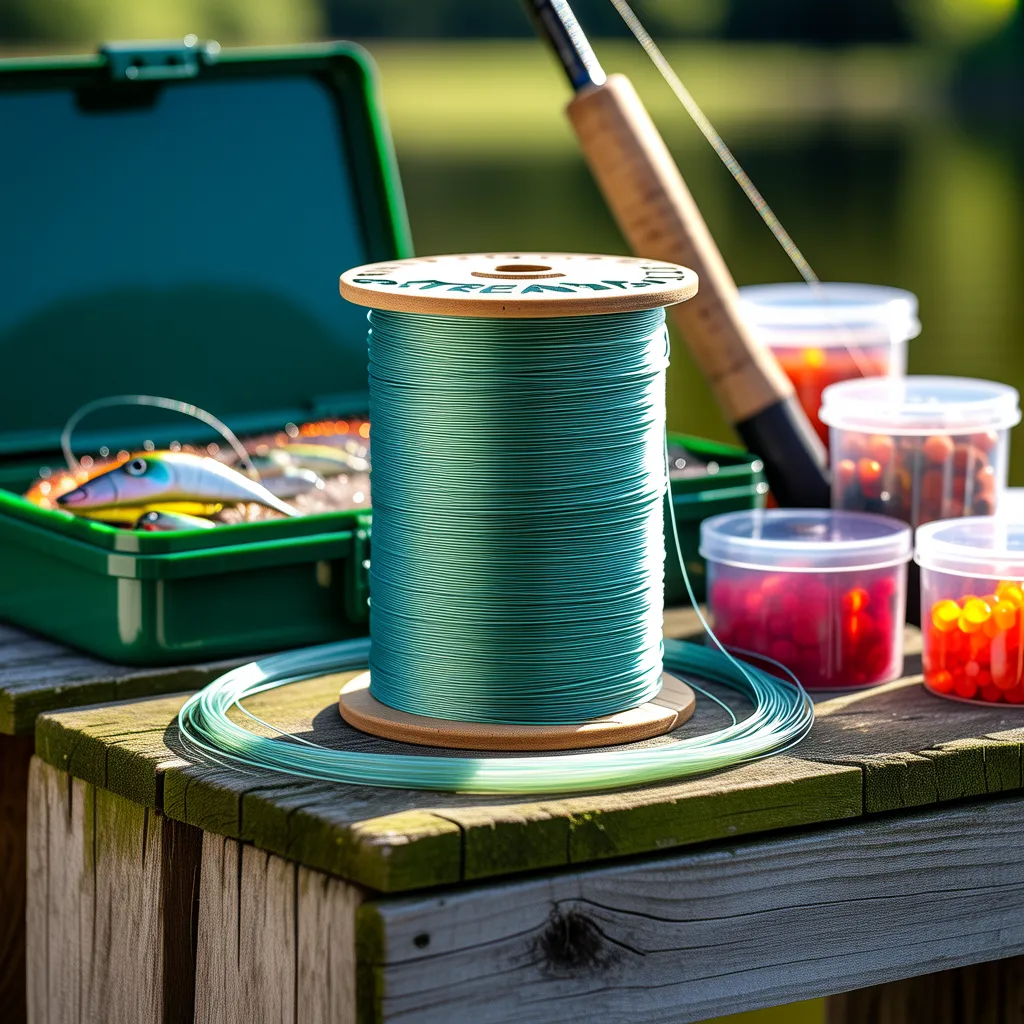
Understanding Distinct Kinds of Fishing Lines: Monofilament vs. Braided
Fishing lines are an crucial element in fishing, with two main types leading the market: monofilament and braided. Monofilament lines are made from a one strand of nylon, offering pliability and ease of handling. They provide strong knot strength and stretch, which can withstand sudden shocks from fish, making them a favored choice for beginner anglers. However, they are more susceptible to UV damage and can degrade over time.
On the other hand, braided lines consist of multiple strands interlaced, resulting in a thinner, stronger line that has minimal stretch. This feature allows for better sensitivity and control, making braided lines ideal for experienced anglers targeting larger species. Despite their advantages, braided lines can be more challenging to handle, especially when tying knots. Ultimately, the choice between monofilament and braided lines depends on the angler's preferences, fishing conditions, and target species.
Main Causes That Affect Fishing Line Values
Several primary factors influence the prices of fishing lines, mainly the materials used and brand prestige. Higher-quality materials usually bring a premium since they can enhance performance and durability. Also, well-known brands may price their products because of perceived reliability and trust.
Material Grade
The composition of materials plays an essential role in determining the price of fishing lines. Various types such as monofilament, fluorocarbon, and braided lines provide distinct advantages and disadvantages that shape their costs. Monofilament lines are usually more affordable, offering flexibility and ease of use but may be less durable. On the other hand, fluorocarbon lines, known for being virtually invisible underwater, often come at a premium price due to their sophisticated manufacturing processes. Braided lines, which are prized for strength and sensitivity, also demand a higher price, reflecting their intricate construction. The choice of material significantly impacts performance, longevity, and overall value, making it a vital factor in pricing. Ultimately, anglers must assess how material quality aligns with their angling needs and budget.
Brand Prestige
Reputation greatly influences the pricing of fishing lines in the competitive angling market. Established brands, known for their quality and reliability, often command higher prices due to consumer trust and loyalty. Anglers tend to prefer lines from manufacturers with a history of performance, leading to a perception that these products offer superior durability and effectiveness. Conversely, lesser-known brands may price their lines lower to attract budget-conscious consumers, but this can raise concerns about quality and reliability. Additionally, marketing efforts and endorsements from professional anglers can further elevate a brand's standing, justifying premium pricing. Consequently, brand reputation serves as an essential factor in determining the cost of fishing lines, impacting both consumer choices and market competition.
Tips for Finding the Prime Discounts on Fishing Lines
What methods do fishing fans use to verify they are obtaining the best deals on fishing lines? To secure the most optimal prices, it is vital for them to undertake thorough research. Leveraging online price comparison tools can help identify affordable rates across various thorough guide retailers. Also, subscribing to newsletters from fishing supply stores commonly provides access to exclusive discounts and promotional offers.
Timing is also a major factor; purchasing in less busy seasons or during sales events can yield substantial savings. Anglers should consider buying in bulk or joining membership programs that give price reductions to frequent purchasers.
Additionally, scouting second-hand options or local classifieds may expose prime lines at affordable prices. Interacting with fishing communities online can also enable recommendations for credible retailers and alerts about flash sales. By utilizing these strategies, anglers can make sure they receive the best value for their fishing line investments.
Ways to Compare Popular Fishing Line Brands Accurately
A range of fishermen seek to compare well-known fishing line brands to ensure they select the most appropriate option for their needs. To do this effectively, they should consider several crucial factors. First, they can look at the kind of line—monofilament, fluorocarbon, or braided—each providing distinct advantages depending on fishing conditions. Next, anglers should review brand reputations, including customer feedback and expert recommendations, to evaluate reliability and performance.
It is also essential to evaluate prices across various retailers, since special offers or sales can greatly alter the total cost. Moreover, anglers might examine the line’s tensile strength, diameter, and sensitivity, all of which are crucial for certain fishing techniques. Lastly, understanding the warranty or satisfaction guarantee can offer confidence in their purchase. By methodically analyzing these areas, anglers can make sound decisions and find the fishing line that best suits their requirements.
Examining Fishing Line Attributes Before You Make a Buy
When selecting fishing line, understanding the different material types is essential for making an informed choice. Also, assessing line strength is vital, as it directly impacts a fisher's success in different conditions. These factors play a major role in deciding overall quality and effectiveness.
Material Categories Overview
Understanding the different material types of fishing lines is essential for anglers seeking high quality and great performance. Fishing lines typically fall into three main categories: monofilament, braided, and fluorocarbon. Monofilament lines are renowned for their flexibility and user-friendliness, making them a popular choice for beginners. Braided lines, known for their high strength-to-diameter ratio, offer outstanding sensitivity and casting distance, attracting experienced anglers. Fluorocarbon lines are nearly invisible underwater, providing an edge in clear water conditions. Each material type presents unique characteristics, influencing factors such as stretch, visibility, and abrasion resistance. By comprehending these variations, anglers can make informed decisions that enhance their fishing experiences and guarantee they choose the most appropriate line for their specific needs.
Key Considerations for Line Tensile Strength
Selecting the right fishing line means careful consideration of line strength, which is a key quality indicator. Line strength is most often measured in pounds, indicating the maximum weight it can handle without breaking. Anglers should match line strength to their target species and fishing conditions; larger fish and harsh environments call for stronger lines. Break-test ratings provide valuable insights into true performance, illustrating how a line behaves under stress. Also, variations in line material—like monofilament, fluorocarbon, or braided—can affect overall strength and durability. Thus, evaluating line strength helps not only in selecting the right product but also boosts the chance of a rewarding fishing experience. Prioritizing quality ensures reliability and contributes to a more enjoyable angling journey.
When to Time Your Buying for Season Offers and Promotions
Although fishing line rates fluctuate through the annual cycle, wise shoppers can enhance their savings by planning their purchases around seasonal discounts and promotions. Retailers regularly offer significant sales during crucial fishing seasons, such as spring and summer, when interest peaks. Black Friday and holiday sales likewise offer top opportunities to find lower prices on quality lines.
Furthermore, season-end clearance events bring substantial savings while retailers seek to clear inventory. By enrolling in newsletters or watching retailers on social media, consumers can stay updated on upcoming sales and exclusive promotions.
Moreover, various fishing brands launch new products every year, leading to discounts on prior models. Shoppers keen to buy last year's lines can often get better deals without sacrificing quality. Planning purchases around these time methods can guarantee that anglers obtain the best fishing lines at affordable prices.
Boosting Online Tackle Promotions
Many anglers can greatly enhance their savings by making use of online fishing line promotions. To maximize these opportunities, it is necessary to compare prices across various e-commerce platforms. Online shopping sites often present exclusive markdowns, promotional codes, and periodic sales that brick-and-mortar stores may not provide.
Anglers should also consider subscribing to newsletters from trusted retailers; these commonly include early announcements about upcoming sales and special offers. Employing price comparison tools can further facilitate the search for the best deals.
Moreover, engaging with online fishing networks or forums gives insights on where to locate the most cost-effective prices and suggestions for quality brands.
Finally, purchasing in bulk can yield marked savings, given that many retailers give reduced prices per unit when items are bought in larger amounts. By adopting these strategies, anglers can confirm they get the best value for their fishing line purchases.
Frequently Answered Questions
What top fishing line brands should beginners choose?
For new anglers, popular fishing line brands include Berkley, KastKing, and Stren. These brands offer dependable, user-friendly options that balance performance and cost-effectiveness, making them ideal choices for those new to fishing.
How long does angler's line usually last?
Fishing lines generally last around three to five years, based on factors including sunlight exposure, moisture, and proper storage. Regular inspections and replacing worn lines can ensure optimal performance for fishing enthusiasts.
Can I utilize various forms of thread on the same Reel?
Yes, diverse classes of fishing line are able to be used on the same reel, although matching remains paramount. Anglers ought to evaluate attributes such as diameter, power, and material to maintain optimal performance and avoid complications.
How to Select the Ideal Size of Fishing Line for Different Types of Fish?
The best fishing line size varies by species; lighter lines, around 4-10 lb test, fit smaller fish, while higher pound test lines, 15-30 lb test, are better for larger species like bass or pike. Selection copyrights on fishing conditions.
Are Exist Green Fishing Line Options Available?
Yes, eco-friendly fishing line options are available, including naturally decomposable materials and recycled nylon lines. These options aim to reduce negative environmental effects while maintain performance, catering to eco-conscious anglers seeking long-lasting fishing methods.